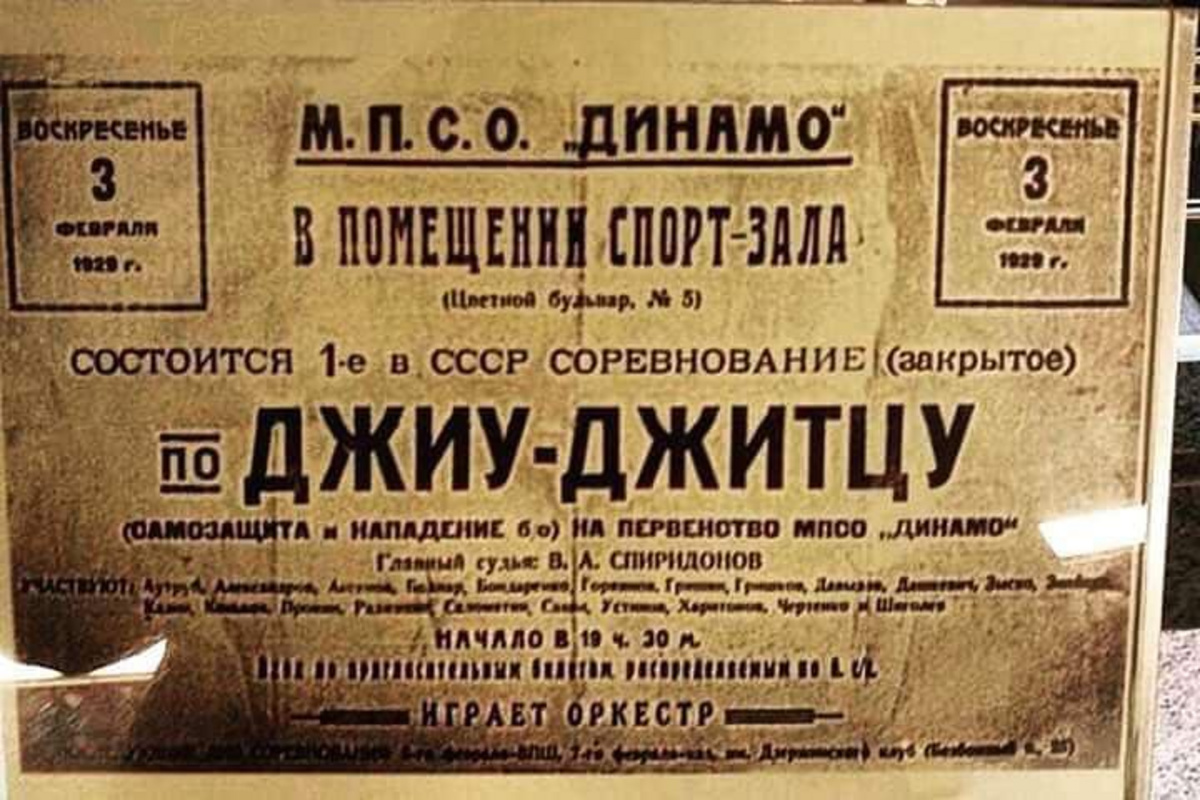
The history of Ju Jitsu
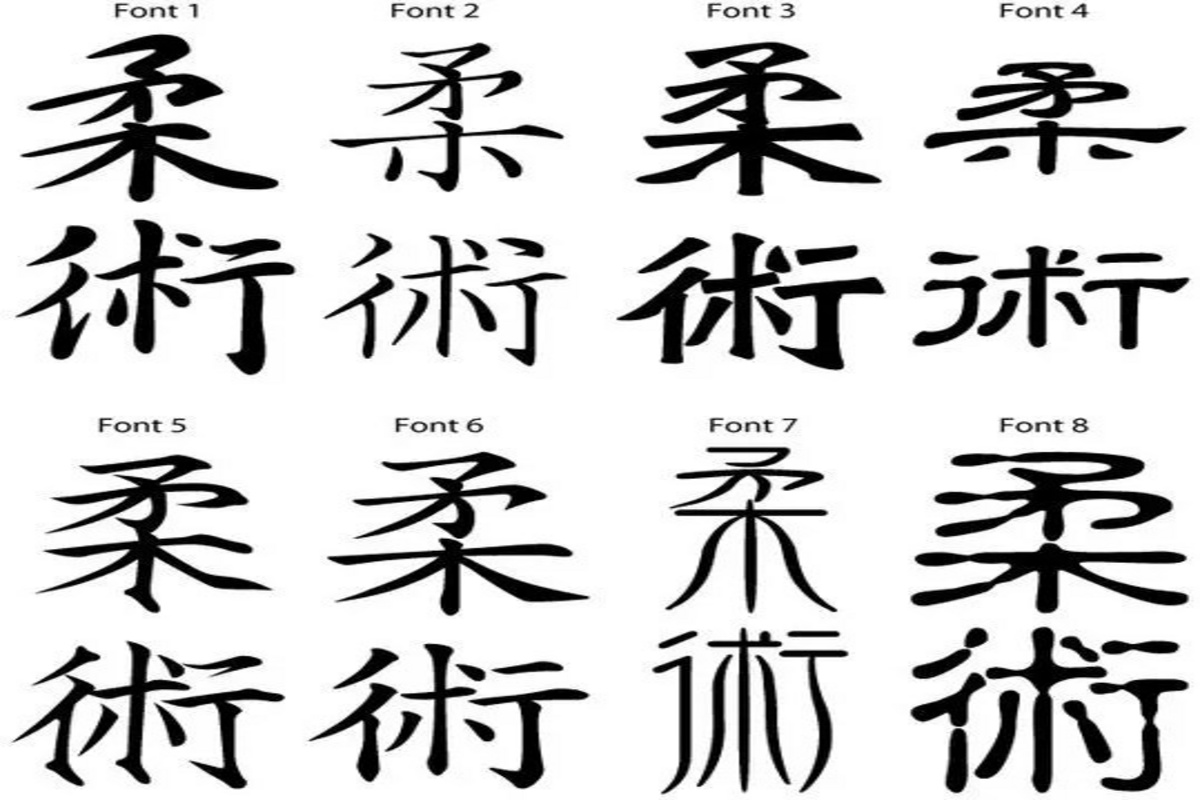
Ju-Jitsu/ Ju-Jutsu/ Jiu-Jitsu/ Dschiu- Dschitsu/ Giu-Gitsu/ джиу-джитсу
1. Where Ju-Jitsu Comes From
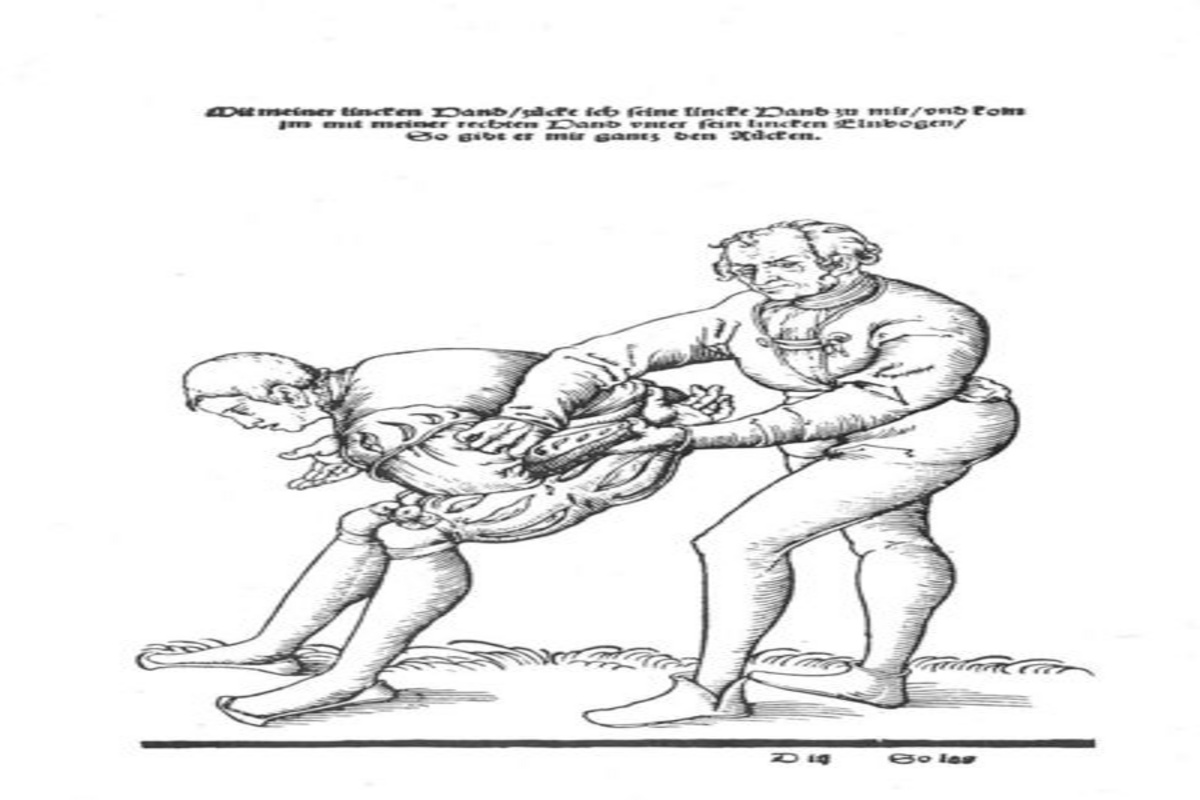
Samurais were the warrior class of Japan until the mid 19 century. Ju JItsu was one of the 18 arts which had to be mastered to become a perfect Samurai. A Ju Jitsu trained warrior would aim to break the enemy’s balance by grabbing the armour, manipulating joints, and controlling body movements and would also fight without being mounted on a horse, against mounted fighters as well as against armed fighters. This is why Ju-Jitsu was created — it focused on grappling, throwing, joint locks, and controlling an opponent, rather than punching or kicking.
2. How Jiu-Jitsu Was Used in Battle
Because armour protected the body, strikes were not very effective. Instead, Ju-Jitsu techniques aimed at :
-Throwing the opponent to the ground
-Breaking joints (like the elbow)
-Controlling or immobilizing the enemy
-Finishing the fight with a small blade (dagger) if needed
The goal was survival and efficiency, not sport.
3. Ju-Jitsu Changes Over Time
-During times of war, Ju-Jitsu was used for battlefield combat.
-During the long peace of the Tokugawa period (1603–1868), large battles became rare. Ju-Jitsu then shifted into a system of self-defence, used against criminals, bandits, or unarmed or armed attackers.
-Techniques became more organized and systematic, and many schools (ryu) were formed.
4. Important Early Ju-Jitsu Schools
Takenouchi Ryu (Oldest School)
-Founded in 1532
-Considered the oldest Ju-Jitsu school; still existing
-Combined weapons and unarmed techniques
-Very influential — many later schools came from it
-Helped shape both Ju-Jitsu and Judo
Sosuishitsu Ryu
-Founded in 1650
-Based on Takenouchi ryu and the founder’s own ideas
-Still practiced today in Japan
-Focused on refined Ju-Jitsu techniques for control and balance
Yoshin Ryu (“Willow Spirit School”)
-Founded in the 1630s
-Inspired by Chinese martial arts
-Emphasized the idea of softness overcoming strength
-Like a willow tree: it bends but does not break
-Focused on balance, timing, and effective strikes
Kito Ryu (“Rise and Fall School”)
-Popular in the 1700s–1800s
-Focused on throwing, balance, and flexibility
-Very important because it strongly influenced Kodokan Judo
-The principles of Kito ryu later influenced Aikido
5. From Ju-Jitsu to Modern Martial Arts
-Many traditional Ju-Jitsu schools eventually declined
-Some ideas survived and evolved into:
-Judo (created by Jigoro Kano)
-Aikido (created by Morihei Ueshiba)
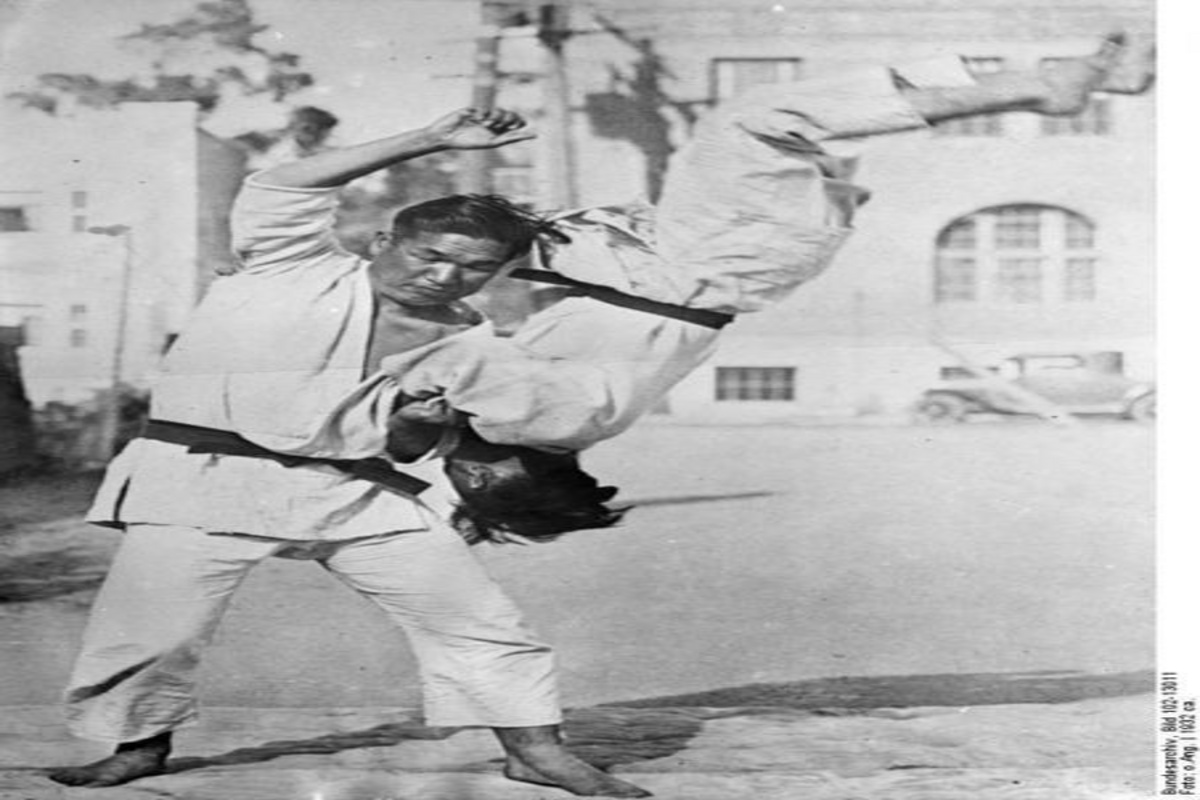
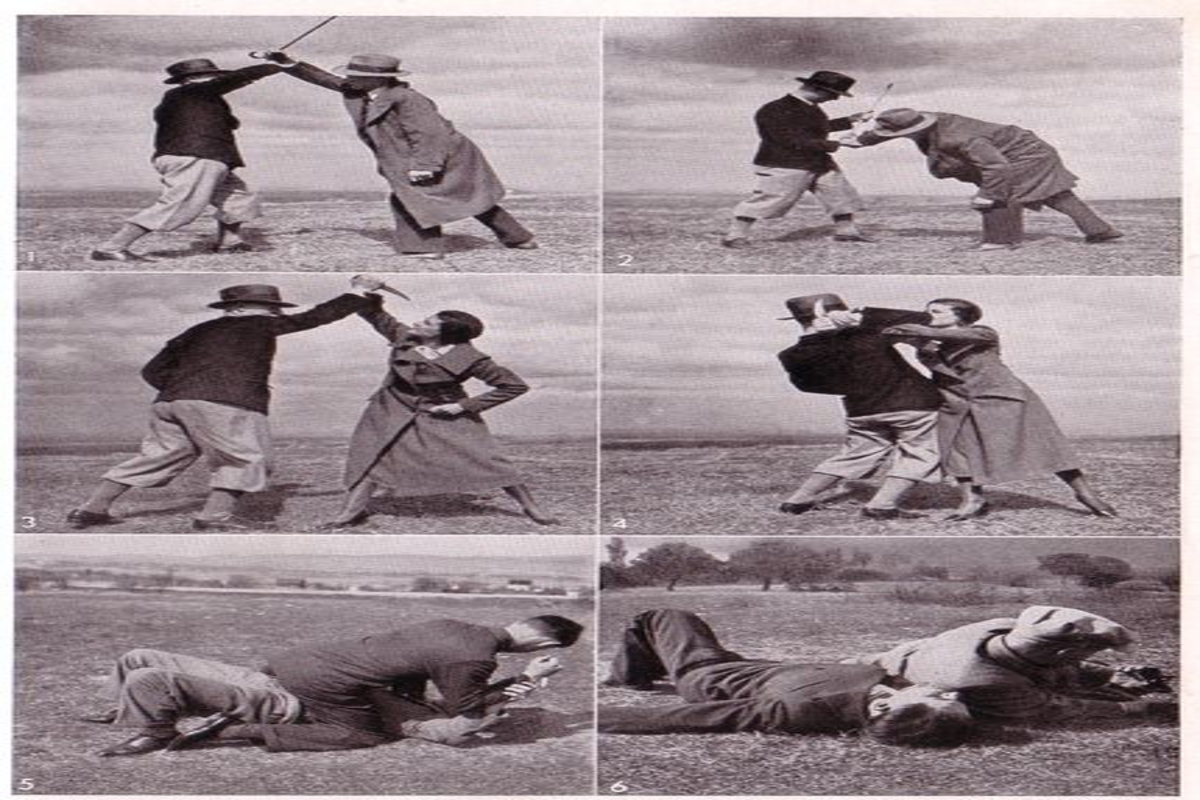
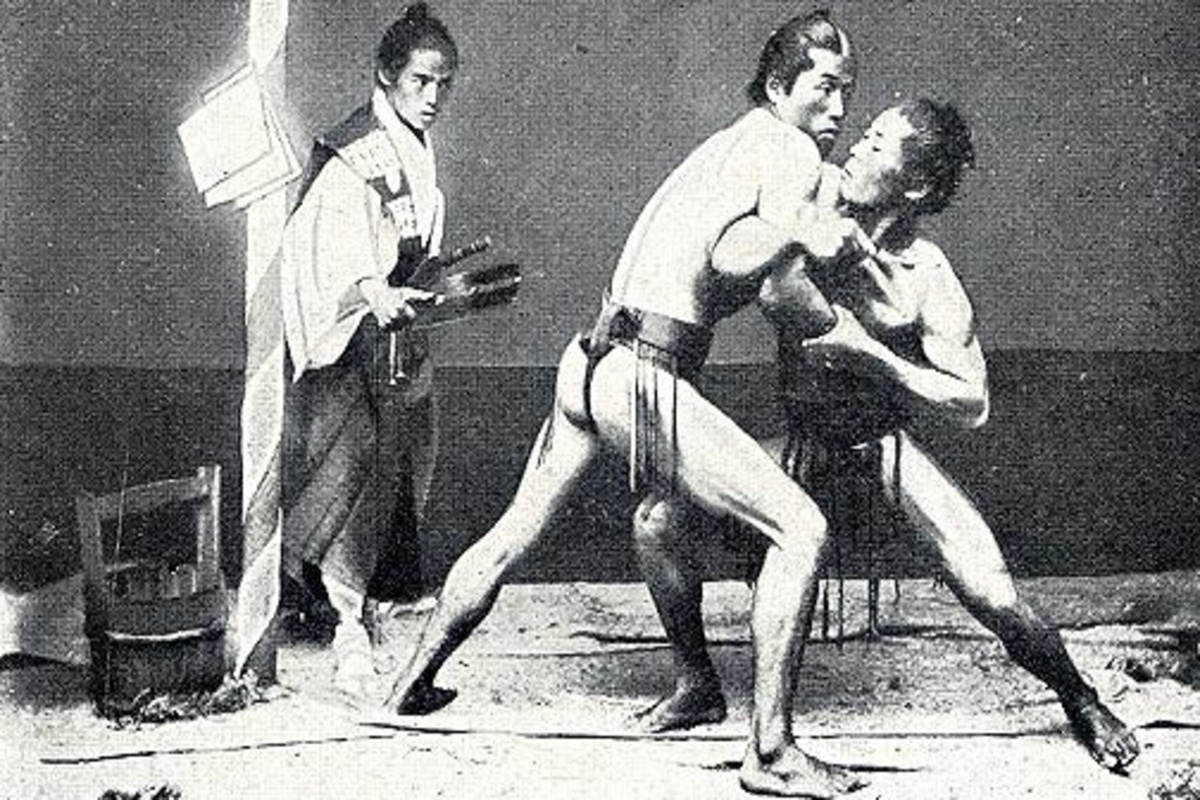
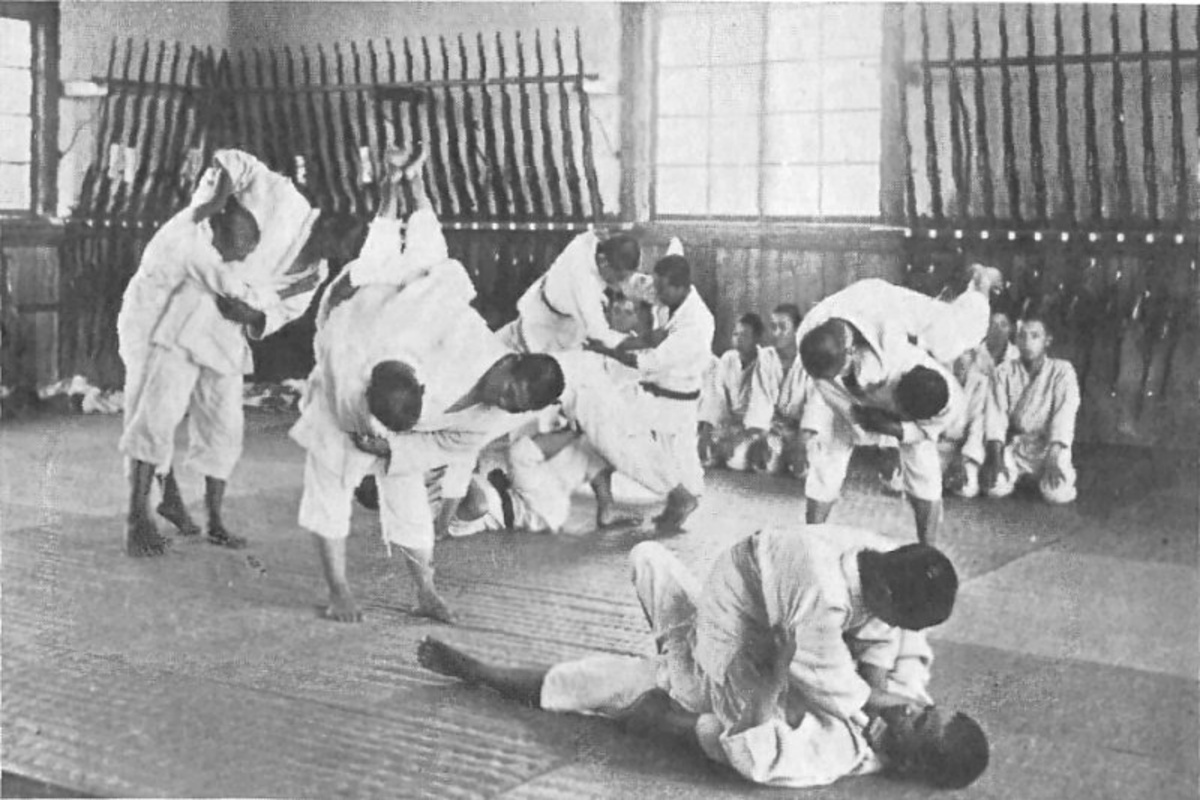
In more recent years, the essence of other martial arts, such as judo and aikido, has developed from ju-jitsu, extracting specific aspects of their martial art forefather. An international governing body was established in 1977. Since then, the Ju-Jitsu International Federation (JJIF) has become a structured federation organized in Continental Unions, coordinated by a central Board and supported by Committees. JJIF organizes World and Continental Championships, International Camps, seminars, and an annual Congress and General Assembly. It has been a member of SportAccord (former GAISF) and IWGA since 1994. The federation is not representing a special stylet of Ju-jitsu but sharing knowledge and experience of different styles and federations. The JJIF is the voice of Ju-Jitsu in the world of sport and active in developing a sportive competition system for all these Mixed Martial Arts.
The Ju-Jitsu International Federation currently contemplates three different types of competitions at world level: the Duo System, the Fighting System and Jiu-Jitsu (named as Ne-Waza and Brazilian Jiu-Jitsu as well). The competition requires, beside the martial art technique, timing, agility, strength and endurance…and especially the Budo spirit!